
Commercial auto.
Liability and physical damage for the vehicles your business owns, leases, hires, or borrows. Personal auto policies exclude most of this on purpose.
One request, shopped across 60+ carriers by a licensed agent.
About three minutes. No obligation.
What it is
What is commercial auto insurance?
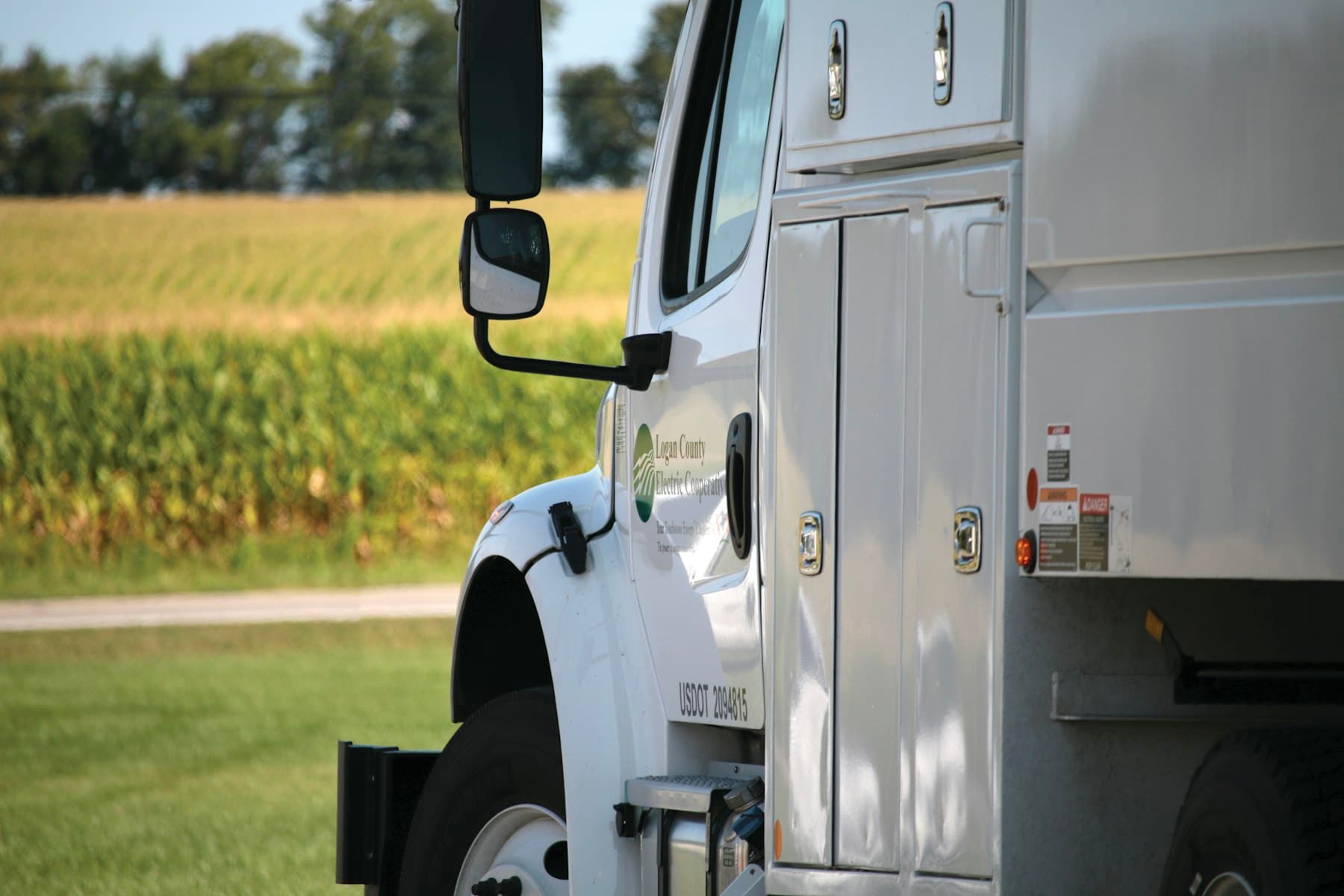
Commercial auto insurance covers the vehicles that work for your business: owned, leased, hired, or borrowed. It pays for the injuries and damage they cause to others and, if you choose, for damage to the vehicles themselves. Personal auto policies exclude most business use on purpose, which is why this policy exists.
It works like the auto insurance you already know, scaled for business. The liability side pays when a covered vehicle injures someone or damages their property, and it pays for the legal defense when someone sues, even if the suit turns out to be groundless. The physical damage side is optional and covers your own vehicles: collision for crashes, and what insurers call comprehensive for nearly everything else, including fire, theft, vandalism, hail, and deer with poor judgment.
Which vehicles count is defined right on the policy. You can cover only the vehicles you own, or extend to ones the business hires, rents, or borrows, and even to vehicles it does not own at all. An employee running a bank deposit in their own car is a business risk, and a coverage called hired and non-owned auto exists for exactly that. If a vehicle does anything for the company beyond sitting in the lot, it belongs in this conversation.
Who usually carries it
- Contractors and trades running vans and pickups between job sites.
- Anything with a route: caterers, florists, couriers, mobile repair.
- Any business with a vehicle titled in the company name.
- Firms whose employees run errands in their own cars. That's hired and non-owned territory.
- Landscapers and trades towing trailers or hauling mounted equipment.
Coverage
What commercial auto coverage handles.
Injuries and damage you cause
When a covered vehicle is at fault, the policy pays the other party's injuries and property damage, plus the lawyers who defend you, typically in addition to your limit.
Damage to your own vehicles
Collision covers crashes whoever caused them. Comprehensive covers theft, fire, vandalism, hail, falling objects, and animal strikes. Each is optional per vehicle, each with its own deductible.
Hired and non-owned autos
Liability coverage when the business rents a vehicle or an employee runs a company errand in their own car. It protects the business, not the employee's bumper.
Uninsured and underinsured motorists
Steps in for injuries to your people when the driver who hit them carries too little insurance or none at all, more common than anyone would like.
Medical payments
A modest no-fault coverage for the driver and passengers in your vehicle, whoever caused the crash. Some states use personal injury protection instead.
Trailers and attached equipment
Highway trailers can be scheduled on the policy, and permanently attached equipment (a lift gate, a mounted compressor) insured as part of the vehicle it lives on.
Exclusions: read these first
What it does not cover.
Every policy has edges. Knowing them now is the difference between a covered claim and a surprise.
The cargo and tools inside
If the van is stolen with your tools in it, the van is a commercial auto claim and the tools are not. What a vehicle carries needs contractor's equipment or motor truck cargo coverage.
Your own employees' injuries
A driver hurt in a work crash is a workers' compensation claim. This policy's liability side pays people outside your company.
Vehicles that never made it onto the policy
Buy a new truck, put it to work, and forget to call, and coverage is conditional at best. Adding a vehicle is a two-minute call, so make it.
Property in your care, custody, or control
The customer's car on your trailer or the appliance you're delivering is excluded. Property you transport or work on for others needs its own coverage, and we'll tell you which kind.
Wear, breakdown, and tires
A blown transmission is maintenance, not insurance. The policy responds to sudden accidents, not the slow mechanical arithmetic of a hard-working vehicle.
Where carriers differ
Which vehicles count, how long a newly acquired truck is covered, and what the endorsements patch all vary by carrier and form, so we read the one you'd actually be buying before you sign.
A left turn on a delivery run
A plumbing contractor's van, driven by an employee, turns left across traffic on the way to a job and collides with an SUV. The SUV driver is injured, both vehicles are badly damaged, and within a month the contractor is served with a lawsuit.
How the coverage responds: liability coverage pays for the SUV driver's treatment and vehicle and runs the lawsuit from first letter to settlement. Collision repairs the van, minus the deductible. The employee's sprained wrist goes to workers' compensation. And the tools in the back land on the contractor's equipment coverage someone had flagged at the last renewal. Without the policy, or on a personal auto policy that excludes business use, the contractor is defending an injury lawsuit and replacing a van at the same time, out of the same account that makes payroll.
An illustrative example, not a real claim. Actual coverage depends on the policy issued.
What moves the price
We don’t quote prices on a website. Anyone who does is guessing. These are the factors underwriters actually weigh.
- What the vehicles are: a sedan, a cargo van, and a dump truck are three different underwriting conversations, driven largely by weight and body type
- What the vehicles do and how far they range: local job sites, regional delivery, or long haul, what underwriters call the radius of operation
- Who drives: carriers pull motor vehicle records for every listed driver, and one bad record can move the price for the whole fleet
- Where vehicles are garaged and driven: state, territory, and traffic density all rate differently
- The limits and deductibles you choose, especially the liability limit
- Your claims history, documented in loss runs, the claim reports your prior carriers keep
- Fleet size and add-on coverages, such as hired and non-owned auto or rental reimbursement
Credits that can move this price
The factors above push the price up. These are the named credits that pull it back. Which ones exist, and what they’re worth, varies by carrier and state. We check every one that could apply before we quote.
- Formal driver-safety program and driver-training credits
- Fleet telematics and dash-camera program discounts
- Claims-free renewal credit, documented in your loss runs
- Years-in-business credit for established operations
- Package credit when auto is written with your other business lines
- Paid-in-full billing credit
Questions
Commercial Auto, asked and answered.
Reviewed by a licensed property & casualty agent · Updated July 2026
Pairs with
Coverage that usually travels together.
- 01General LiabilityPays when your business injures someone or damages their property. The baseline policy nearly every lease, contract, and client asks you to carry.Explore →
- 02Workers' CompensationMedical bills and lost wages when an employee is hurt at work. Required by law in nearly every state, starting with your first hire.Explore →
- 03Commercial PropertyRebuilds the building, replaces the equipment, and restocks the shelves after fire, storm, or theft.Explore →
What happens next
A licensed agent reads it
Your request goes to a person, not a queue, the same business day.
We shop the carriers
We quote it across the markets that actually write this line and compare what comes back.
You decide
Options side by side, in plain English. Nothing is bound until you confirm it in writing.
Rather do the whole thing by phone? Call (917) 246-7038.
Carrier count reflects current appointments. Availability varies by state and line.
Start here
Let's price your commercial auto coverage.
Tell us what you need. We shop it across 60+ carriers. You pick, and nothing is in force until it's confirmed in writing.
About three minutes. No obligation.